Industry news

Home / Blog / Industry news / Heated Curling Rod or No Heat Curling Rods: Which Is Better?
Jul 21, 26

Heated Curling Rod or No Heat Curling Rods: Which Is Better?

HAIR STYLING GUIDE

Heated Curling Rod or No Heat Curling Rods: Which Styling Method Fits Your Hair?

Choosing between heated curling rods and no heat curling rods involves more than comparing styling speed. Hair texture, moisture level, curl definition, temperature stability, rod diameter and daily styling habits all influence the final result. This guide explains how different curling rods work, how to use them correctly and which product features matter when selecting a reliable curling solution.

QUICK DECISION Fast, defined curls

Choose a temperature-controlled heated curling rod for dry hair and time-sensitive styling.

Soft, low-stress waves

Choose heat free curling rods for overnight use or frequent styling without direct heat exposure.

01

What Are Heated Curling Rods?

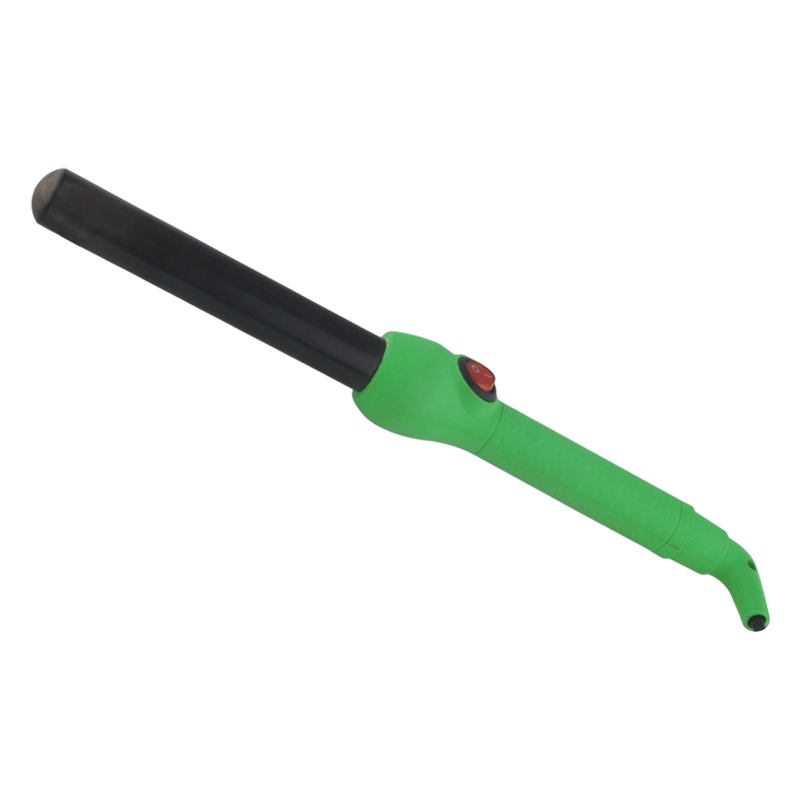
Heated curling rods use an internal heating element to transfer controlled heat to the hair. Heat temporarily changes the arrangement of hydrogen bonds inside the hair fiber, allowing straight strands to hold a curved shape after cooling.

Modern heated hair curling rods may include adjustable temperature settings, an insulated handle, a smooth styling surface and automatic shut-off protection. The quality of heat distribution is particularly important. Uneven heating may produce inconsistent curls and expose individual sections of hair to unnecessary thermal stress.
02

What Are No Heat Curling Rods?

No heat curling rods create waves through wrapping pressure, drying time and temporary reshaping. They are commonly made with flexible foam, fabric-covered cores or bendable supports that hold the hair in position without electricity.

A curling rod no heat system is especially useful for delicate, bleached, dry or frequently styled hair. The result is usually softer than the curl created by a heated tool, while the absence of direct heat helps reduce cumulative thermal exposure.

Heated Curling Rods and Heat Free Curling Rods Compared

Both product types can create attractive curls, but they are designed for different routines, hair conditions and styling expectations.

Comparison Point Heated Curling Rods No Heat Curling Rods
Styling principle Thermal reshaping followed by cooling Mechanical wrapping and gradual drying
Typical styling time Approximately 5 to 15 seconds per section Usually 4 to 8 hours
Required hair condition Hair should be completely dry Hair can be slightly damp or nearly dry
Curl appearance More defined, structured and polished Softer, looser and more natural
Temperature exposure Direct heat is applied to the hair No direct heat is required
Recommended routine Quick preparation and event styling Overnight styling and regular use
Suitable hair types Normal, healthy, thick or difficult-to-style hair Fine, dry, colored, bleached or fragile hair
Power requirement Electrical power or rechargeable power source No power source required

How to Use Heated Curling Rods Correctly

Understanding how to use heated curling rods safely helps improve curl consistency while limiting unnecessary heat exposure. The temperature should match the hair condition rather than the highest setting available.

STEP 1

Dry and Detangle the Hair

Hair must be fully dry before it touches the heated surface. Water trapped inside the hair shaft can rapidly turn into vapor under high temperature, increasing the risk of dryness, weakness and surface damage.

STEP 2

Select an Appropriate Temperature

Begin with a lower temperature and increase it only when the curl does not form properly. Fine or chemically treated hair generally requires less heat than thick, coarse or resistant hair.

STEP 3

Divide Hair into Consistent Sections

Separate the hair into upper, middle and lower zones. Each section should be narrow enough for heat to reach the strands evenly. Thick sections may leave the inner hair straight while overheating the outer surface.

STEP 4

Wrap Without Excessive Tension

Position the hair smoothly around the rod and keep the ends flat. Maintain light, even tension without pulling the hair tightly from the scalp. Leave a safe distance between the heated rod and the skin.

STEP 5

Control the Heating Time

Hold each section for approximately 5 to 15 seconds. The required time depends on temperature, hair thickness, rod diameter and desired curl definition. Repeated heating of the same section should be avoided.

STEP 6

Allow the Curl to Cool

Release the curl gently and allow it to cool before separating or brushing it. Cooling helps the temporary bonds stabilize in the new curved shape, improving the durability of the finished style.

What Is the Best Heat for a Curling Wand?

The best temperature is the lowest effective setting that creates the required curl in one controlled pass. Extremely high heat does not automatically create a better result. It may shorten styling time, but it can also increase moisture loss and reduce the mechanical strength of the hair.

A temperature-adjustable Heated Curling Rod gives users more control when styling different hair textures. Temperature stability is as important as the selected number because frequent fluctuations can produce uneven results.

120°C–150°C Bleached, damaged, fragile or highly porous hair
140°C–160°C Fine, soft or easy-to-curl hair
160°C–180°C Normal, healthy and medium-textured hair
180°C–200°C Thick, coarse or resistant hair
Wet Hair Do not use heated curling rods on wet or visibly damp hair

How to Use No Heat Curling Rods

Searches for how to use no heat curling rods and how to use heat free curling rod products often focus on wrapping technique. Moisture level, section size, wrapping direction and drying time are equally important.

Preparation

Start with Nearly Dry Hair

Wash and condition the hair, remove excess water and allow it to dry to approximately 70% to 85%. Hair that is too wet may remain damp inside the wrapped section and fail to hold a stable curl.

Sectioning

Match Section Size to Rod Diameter

Smaller sections create tighter curls. Larger sections create loose waves. Each section should contain a similar amount of hair to keep the final shape balanced on both sides.

Wrapping

Keep the Hair Flat and Smooth

Wrap the ends completely around the curling rod no heat surface before moving toward the roots. Twisted or folded ends may create uneven bends rather than a smooth curl.

Setting

Leave the Rods in Place

Heat free curling rods generally need 4 to 8 hours. Thick hair, low-porosity hair and humid environments may require additional drying time before the rods are removed.

Removal

Unwrap in the Curl Direction

Do not pull the rods straight downward. Slowly reverse the wrapping motion to protect the curl structure and reduce friction, tangling and surface frizz.

Product Features That Improve Curling Performance

A curling product should be evaluated through its heating behavior, surface design, handling comfort and safety details. Decorative appearance alone does not determine styling quality.

Stable Temperature Regulation

A responsive temperature control system helps maintain consistent heat during use. Stable heat reduces the need to pass over the same section several times.

Even Heat Distribution

The heated surface should warm evenly from the base to the working end. Uneven zones can produce curls with different levels of definition within the same section.

Smooth Contact Surface

A smooth rod surface allows hair to glide during wrapping and release. Rough edges or poorly finished joints may catch the cuticle and increase breakage.

Multiple Diameter Options

Smaller rods create compact curls, while larger rods produce open waves and body. Diameter selection should correspond to hair length and the required finished style.

Comfortable Handle Design

A balanced, heat-insulated handle helps maintain control during repeated styling. Grip comfort is particularly important when working around the back of the head.

Automatic Shut-Off

Automatic power interruption provides an additional layer of protection when the heated curling rod is left inactive after use.

Fast but Controlled Heating

Rapid heating reduces preparation time, but the product should reach the selected temperature without excessive overshooting.

Flexible Heat-Free Construction

For no heat curling rods, the core should bend easily while maintaining enough support to hold the wrapped hair throughout the setting period.

When Heated Hair Curling Rods Are More Suitable

  • Styling must be completed within a limited amount of time.
  • The required curl should look polished, structured and clearly defined.
  • The hair is completely dry, healthy and able to tolerate controlled heat.
  • Thick or coarse hair does not hold a curl easily with heat-free methods.
  • Different temperature settings are needed for different users or hair zones.

When Heat Free Curling Rods Are More Suitable

  • The hair is bleached, dry, fragile or already affected by frequent heat styling.
  • The user prefers overnight preparation rather than rapid styling.
  • A soft wave pattern is more desirable than a tightly defined curl.
  • No electrical outlet is available during travel or daily preparation.
  • The curling method will be used frequently and direct heat exposure should be reduced.

How Rod Diameter Changes the Curl Pattern

Small Diameter

Produces tighter curls with stronger visual definition. Small rods work well for short hair, detailed styling and curls that need to remain visible for a longer period.

Medium Diameter

Creates balanced curls suitable for medium and long hair. This size offers a combination of volume, movement and manageable styling time.

Large Diameter

Produces loose waves, rounded ends and natural body. Large rods are more suitable for long hair and soft, flowing styles rather than compact curls.

Heated and No Heat Curling Rod FAQ

Are heated curlers better for hair?

Heated curlers are not automatically better or worse. They provide faster and more defined results, while heat free curling rods reduce direct thermal exposure. The better option depends on hair condition, styling frequency, temperature control and the desired curl pattern.

How to use a heated curling rod without excessive damage?

Use the lowest effective temperature, work on completely dry hair, keep sections consistent, limit contact time and avoid repeatedly heating the same strand. Allow each curl to cool before separating it.

Are curling sticks heated?

Some curling sticks contain electric heating elements, while others are flexible wrapping tools without heat. A power cable, charging port, temperature display, control switch or heated base usually indicates that the product is a heated model.

How long should no heat curling rods stay in the hair?

Most no heat curling rods need approximately 4 to 8 hours. Hair thickness, moisture content, room humidity and section size may increase or reduce the required setting time.

Why do heat-free curls become loose quickly?

Common causes include removing the rods before the hair is fully dry, using sections that are too large, wrapping with uneven tension, touching the curls before they stabilize or styling in a highly humid environment.

Can heated curling rods be used every day?

Daily use increases cumulative heat exposure. Users who style frequently can lower the temperature, reduce contact time and alternate heated hair curling rods with curling rod no heat methods.

Cleaning and Storage

Disconnect the power and allow the heated curling rod to cool completely. Wipe the surface with a soft, dry or slightly damp cloth. Do not scrape the styling surface with metal objects, as scratches may increase friction and interfere with smooth hair release.

Do not wrap the power cable tightly around the hot rod. Store the product in a dry location away from water, excessive humidity and flammable materials.

Cleaning and Storage

Allow fabric-covered or foam no heat curling rods to dry completely after use. Moisture, styling residue and scalp oils can accumulate on the surface when the product is stored before drying.

Keep flexible rods away from heavy pressure that may permanently deform the inner support. A rod that loses its shape may produce uneven curls or fail to stay securely in position.