English
 Español
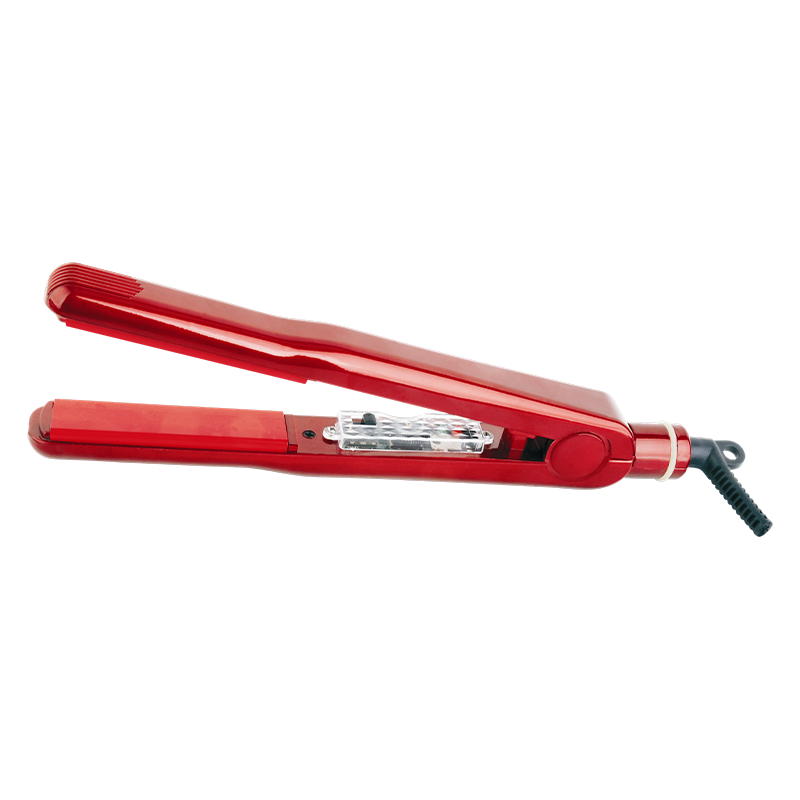
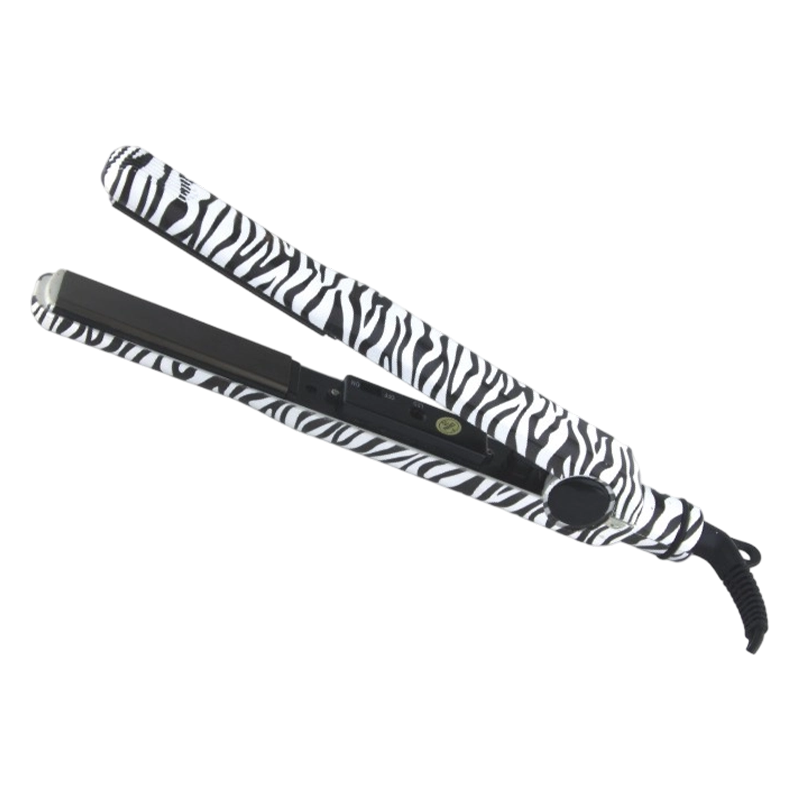
When a product team first evaluates a steam hair straightener, the conversation rarely starts with maximum plate temperature. It starts with what the hair actually experiences while being smoothed. In practical terms, a steam hair straightener is a heated styling tool with a built-in water system that releases a fine mist of steam through the plates during each pass. It shapes the hair with heat, but the steam changes how that heat interacts with the strand.
The Design Behind a Steam Hair Straightener
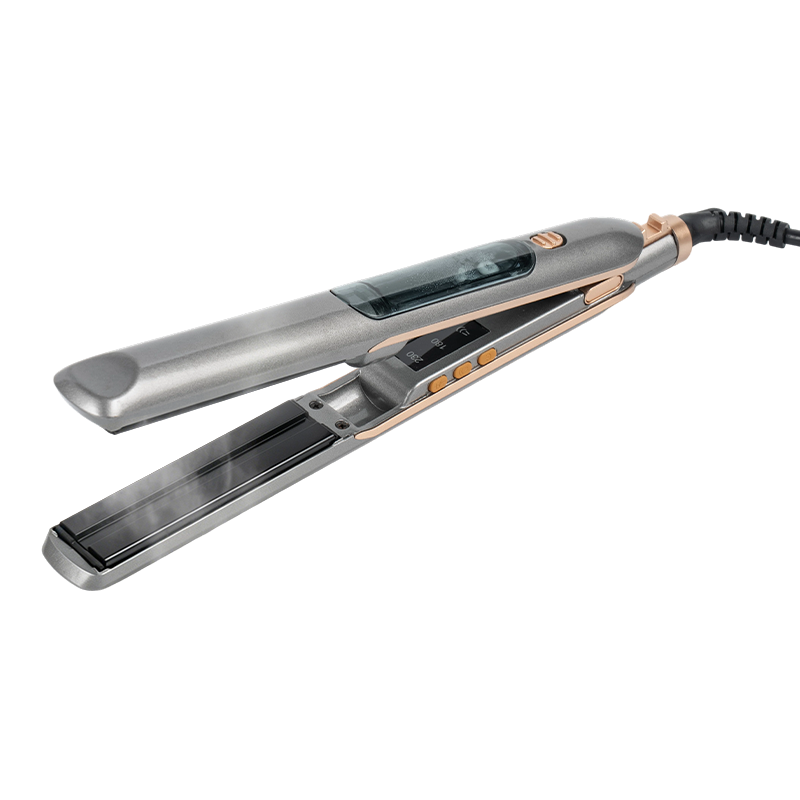
A steam hair straightener combines two functions in a single body. The first is conventional straightening: two heated plates clamp a section of hair and pull it flat as you move the tool from root to ends. The second is steam delivery: water from a small tank is converted into fine vapor and released through micro-vents beside the plates, coating the hair with moisture at the exact moment of styling.
The result is that the cuticle, the outer protective layer of each strand, becomes more flexible under the combined effect of warmth and water. The plates are still hot enough to reshape the hair, but the hair is softened and conditioned during the process instead of simply pressed dry.
One concrete example of this architecture is the MXN302 nanoscale steam balance straightener, which combines a sealed reservoir with nanoscale steam generation for more even vapor distribution across the plate area. The category page for steam straighteners shows how this architecture is adapted across different plate widths, temperature ranges, and water chamber capacities.
How the Steam Process Works
The internal sequence is consistent across most steam straightener designs, and it is worth walking through because the details determine how effective a given model will be in daily use.
- Water moves from the refillable reservoir into the heating zone at a controlled rate.
- The heating element raises the plates to the selected temperature while converting the water into fine steam.
- Micro-vents along the plate surface release that steam onto the hair as the tool closes around a section.
- The plates glide downward, pressing the softened cuticle into a flat, aligned shape while the steam continues to provide a protective moisture layer.
The principle is the same as ironing fabric with a steam iron. The material becomes more pliable in the presence of moisture, so the iron does not need to press as hard or pause as long on any single spot.
The placement of the steam vent matters. If steam is released too far from the contact zone, it only humidifies the surrounding air. Effective steam straighteners concentrate the mist right where the hair bends between the plates.
Steam Straightener vs. Traditional Flat Iron
A direct comparison clarifies the positioning of each format.
| Factor | Traditional flat iron | Steam hair straightener |
|---|---|---|
| Heat delivery | Dry plates transfer heat directly to the hair | Heat is combined with a fine steam mist |
| Moisture during styling | None; hair is dried by contact | Steam coats the strand during the styling pass |
| Cuticle behavior | Repeated heat can make the cuticle brittle | The cuticle softens and lies down more readily |
| Typical finish | Very sleek, with lower moisture retention | Sleek, with visible shine and more bounce |
| Best fit | Quick touch-ups on low-density hair | Thick, coarse, curly, dry or damaged hair |
| Price position | Lower entry price in most markets | Higher, due to the sealed water system and steam controls |
For a brand or procurement team, the decisive row is the moisture one. A conventional iron can still achieve a very flat finish, but it tends to deliver the same dry result every time. A steam straightener sacrifices a little stiffness in exchange for better strand condition, which is what most consumers notice after repeated weekly use.
Why Steam Matters in Daily Styling
The practical benefits of steam straightening come down to four measurable changes in the styling routine:
- Lower thermal stress on the strand, because part of the delivered energy is carried by the steam rather than by direct plate contact.
- Better cuticle alignment, since moisturized cuticles settle into a flatter and shinier formation when the hair cools.
- Less friction during the glide, which reduces pulling, snapping, and stress on chemically treated lengths.
- Fewer passes on resistant hair, meaning less repeated exposure to heat over time.
A steam straightener is still a hot tool. The steam does not replace heat; it changes how heat is received by the hair. Expect the same discipline with temperature selection, sectioning, and heat protection products.
Steam-based care also works well with other formats. The MXN303 steam atomizing water-ion hair conditioner, for example, is designed to apply a very light mist of atomized water ions before or after a straightening pass, which makes it a useful complement to a complete styling sequence.
Which Hair Types Benefit Most
Steam straighteners are not designed to replace every styling tool. The clearest fit is for thick, wavy, curly, or dry-damaged hair. Those hair types usually need the most heat to achieve a sleek result, and they also suffer the most from moisture loss during styling. Steam directly addresses that combination.
People with very fine or healthy hair might prefer the crisp, firm finish of a dry titanium plate. The steam finish tends to feel slightly softer, which is not a defect but a deliberate trade-off in favor of moisture retention and long-term hair health.
For distributors and private-label projects, this is a useful positioning story: the product does not compete with professional presses on maximum flatness. It competes on the state of the hair after repeated use, which is increasingly the purchase trigger in retail and salon channels.
What to Check Before Selecting a Steam Straightener
Whether you are buying for personal use or evaluating an OEM supplier, these five specifications separate a well-engineered steam iron from a marketing story:
- Steam control: variable steam levels or a dry-running mode give the user flexibility across hair densities.
- Plate material: ceramic distributes heat evenly; titanium reacts faster for high-throughput salon use.
- Temperature range and display: a wide range around 140–210 °C with digital readout gives better control for different textures.
- Water system durability: the reservoir, seals, and steam channels must be built for long service life, especially in high-usage settings.
- Safety features: auto shut-off, insulated plate tips, and electrical certification are baseline requirements for any market.
Steam channels and seals are wear items. If you are planning a retail program, confirm that spare parts and after-sales service are part of the agreement before confirming an order with a factory.
Steam technology is not limited to plate tools. The MXN688 steam aqua atomized styling comb applies the same fine-mist principle in a comb format, which suits shorter hair, fringe adjustments, or building volume before a straightening pass. Having several formats under one platform gives a private-label range more natural points of differentiation.
Safety remains the most underestimated specification. Overheating protection, auto shut-off, and recognizable electrical certification matter as much as plate performance. For the specific failure modes and audit points, our straightener safety guide walks through what a buyer should verify before approving a design.
Where Steam Straightening Fits
A steam hair straightener answers a specific demand: smooth hair that does not look or feel heat-damaged after weeks of regular styling. It combines the shaping capability of a flat iron with the conditioning effect of moisture, and for thick or chemically processed hair, that combination is noticeably kinder than dry heat.
For retailers, salon suppliers, and e-commerce brands, the category also creates a legitimate upsell story. Steam tools require a water tank, controlled plate temperature, and a different internal structure than basic irons, which supports a higher price point and a stronger differentiation message. The key is selecting the right steam architecture, and a partner who can engineer it consistently.