English
 Español
Search interest in air-styling tools such as blowout brushes and hair drying combs has risen steadily over recent seasons, and retailers are giving the category more shelf space. The device at the center of that demand replaces a hair dryer, a round brush, and a finishing comb in a single product. That device is the hair dryer styling comb, and the commercial case for adding it to a beauty lineup is strong. The sourcing case, however, is more demanding.
A hair dryer styling comb sits at the intersection of motorized drying and heated styling, so the factory you choose must be competent in both disciplines. This guide covers the specification decisions that matter most, the customization options worth negotiating, and the quality checks that prevent a promising product from failing in the field. For the broader market picture, our industry news coverage has tracked the continued rise of air-styling formats and the technology shifts behind them.
What Is a Hair Dryer Styling Comb?
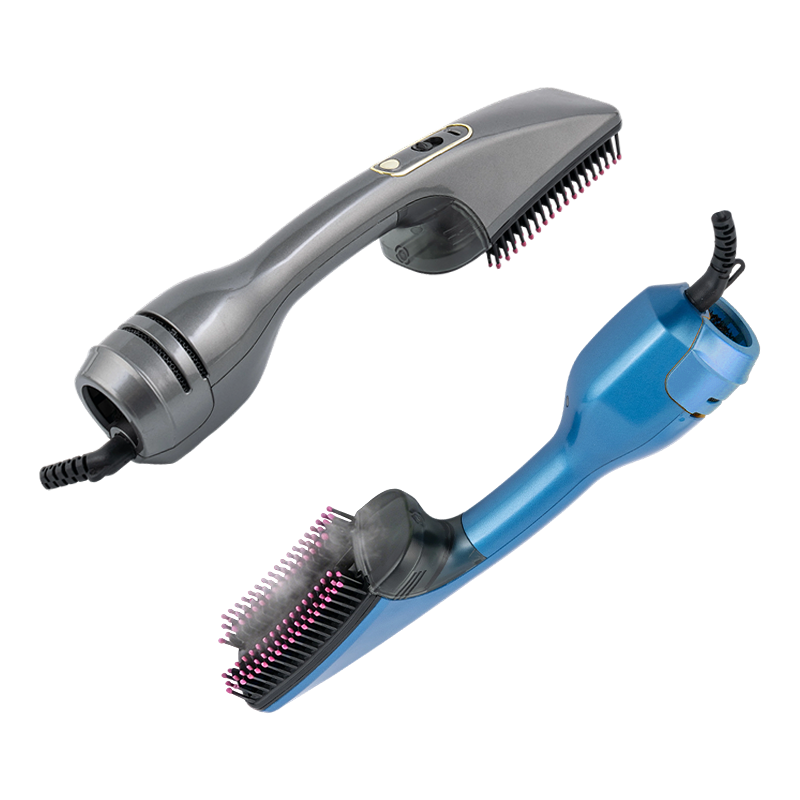
A hair dryer styling comb integrates a motor-driven fan, a heating element, and a comb or brush head into one housing. Hot air flows through or around the comb teeth, letting the user detangle, smooth, and dry hair in the same pass. The format is not new, but the technology has matured considerably. Modern models use high-speed brushless motors, ceramic or ion-coated surfaces, and multi-stage temperature control.
Recent generations of the product typically combine:
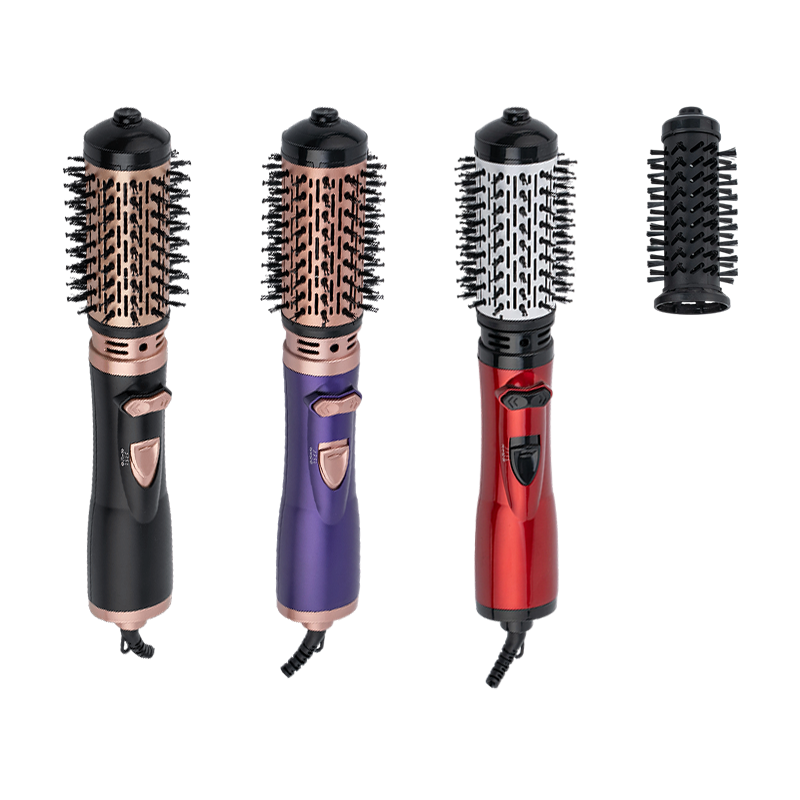
- A brush head that rotates or stays fixed depending on the model;
- Hot air channels that distribute airflow through or around the bristles;
- Multiple heat and airflow settings for different hair types;
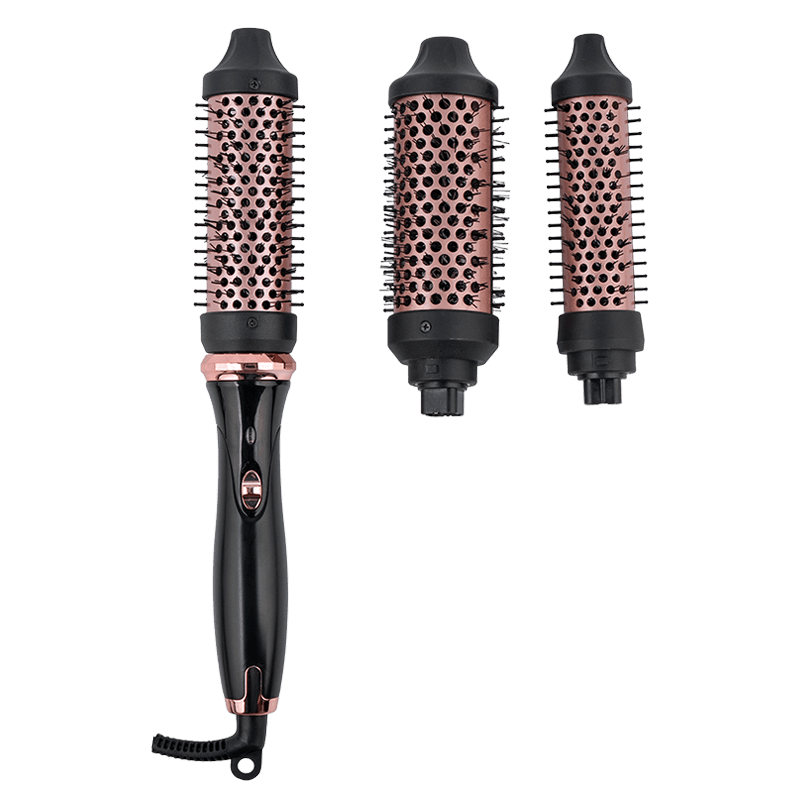
- Interchangeable heads that extend the tool from a volumizing brush into a smoothing or finishing styler.
Compared with a standalone hair dryer, the styling comb requires less coordination because there is no need to juggle two tools. Compared with a passive styling brush, the integrated airflow cuts drying time and adds volume at the root. These advantages explain the appeal to both home users and salon professionals.
For a brand, the format creates a cleaner product line. One SKU can occupy the shelf space that previously required a dryer, a brush, and a finishing comb. Retailers see a higher average transaction value, and consumers see less clutter in their daily routine.
Core Specifications to Evaluate Before You Source
Not every factory is set up to build a styling comb that performs well across airflow, heat, and durability. The specifications below separate a credible product from a disposable novelty.
Motor Type and Airflow
The motor determines how much air the comb pushes through the hair, how loud the tool runs, and how heavy it feels in the hand. Entry-level products usually rely on brushed DC motors, which are inexpensive but noisier and less durable. High-speed brushless motors, common in premium dryers, run quieter, last longer, and reduce overall weight. In a hand-held styling device, balance matters as much as total weight, because the user holds the comb at an angle for minutes at a time. If your price target is above entry level, a brushless motor is the safer engineering decision.
Temperature Range and Control
Heat is what shapes the hair, but unstable heat is what damages it. A styling comb needs enough range to smooth the cuticle and set a shape, with control precision that holds the temperature steady as airflow demand changes. Typical OEM configurations fall into the tiers below.
| Configuration | Motor | Temperature Range | Best Fit For |
|---|---|---|---|
| Entry | Brushed DC motor | 80–140°C | Value retail and mass-market channels |
| Mid | High-speed brushless motor | 80–160°C with thermistor control | Online-first beauty and lifestyle brands |
| Pro | High-speed brushless motor | 60–180°C with sensor-based regulation | Salon supply and professional product lines |
Ask the factory how the temperature is regulated. Bimetallic thermostats are cheaper and still appear in low-cost tools, but they allow noticeable temperature drift. Thermistor-based feedback loops hold a target temperature more steadily. For a premium or professional positioning, thermistor or PID control is the standard to require.
Comb and Bristle Materials
The comb teeth come into direct contact with the scalp and hair, so the material choice is immediately visible to the end user. Nylon bristles with rounded tips are the safest standard option for everyday styling. Boar bristle blends add shine but are harder to clean and more expensive to source. Ceramic-coated or ion-coated comb surfaces help distribute heat evenly and reduce static. Confirm that the comb head can be removed for cleaning or that the bristle base is sealed against routine moisture exposure.
Voltage and Power Configuration
Most manufacturers can deliver a universal-voltage version of the comb operating on 100–240V, which simplifies multi-region inventory planning. A single-market version with a fixed-voltage supply usually costs less to build. Decide your target regions before freezing the specification, because the power supply choice directly shapes the certification timeline and production cost.
Design and Customization Decisions for Your Brand
Once the internal specification is locked, the next layer is the design that carries your brand identity. This is where a manufacturer with in-house mold development and industrial design experience becomes a real advantage.
Housing Materials and Finishes
The housing is the first thing a customer touches. ABS is the default resin, but the surface treatment determines perceived quality. Matte and soft-touch finishes resist fingerprints better than high-gloss surfaces. Two-shot injection molding delivers multi-tone color designs without paint layers that can chip over time, and it gives the product a more distinctive silhouette on the shelf.
Interchangeable Attachments and Multi-Function Design
Successful styling comb SKUs increasingly ship with interchangeable comb heads or brush attachments, letting one device serve different hair types and styling outcomes. Attachment interfaces, however, are also a common failure point. A locking mechanism that feels acceptable in a sample can loosen after hundreds of attach and detach cycles. Ask the factory for cycle-test data on the interface before you approve the tooling.
Ergonomics and Balance
Hold the product the way your customer will. The position of the motor inside the housing changes how the tool feels when raised to the top of the head. A housing that places the motor mass lower, closer to the handle, makes the comb head feel lighter and improves control. Request a working sample and evaluate it in an actual styling motion, not just on the bench, before you sign off on the design.
Safety, Compliance, and Quality Checks
Selling a heated appliance across borders means meeting standards that vary by market. CE is the baseline for the European Union, UL or ETL is recognized in North America, PSE applies to Japan, and KC applies to South Korea. These certifications verify real risks such as:
- Thermal cutoff that interrupts power when internal temperature exceeds safe limits;
- Cord integrity after repeated bending at the strain relief;
- Housing resistance to heat, flame, and electric shock.
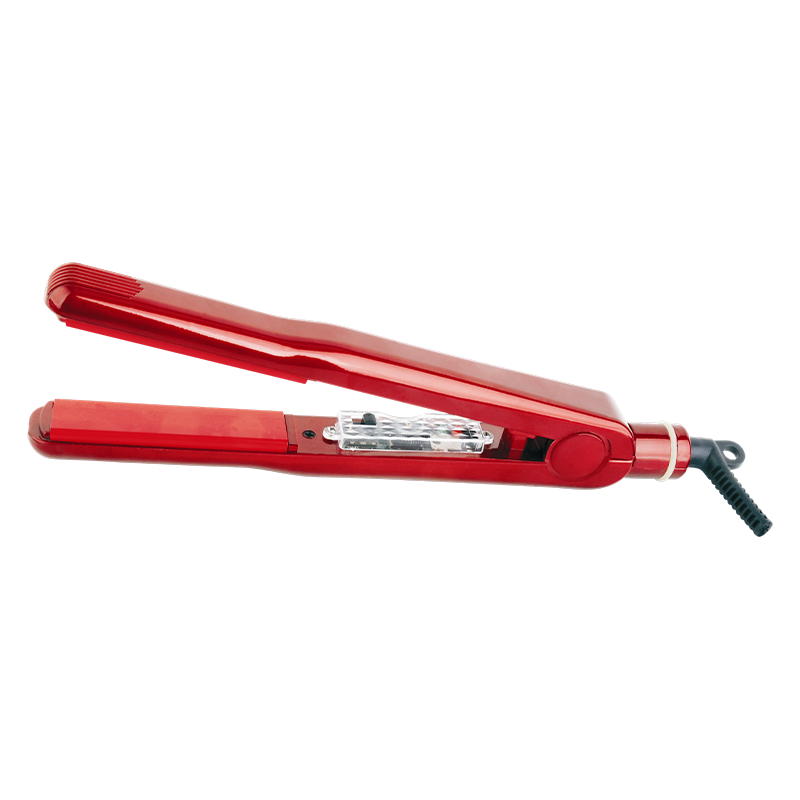
Vet the supplier's claims the way your customers will vet your product. Ask for the test report, cross-check certificate numbers with the issuing body, and reserve the right to random-inspect production units. Our guide on how to tell if a heated styling tool is safe covers the same verification steps that apply to straighteners, curling rods, and combs. Do not accept a verbal assurance of compliance when a written report is available.
What a Capable OEM or ODM Partner Provides
The most efficient manufacturing relationship for a styling comb program is a single partner that controls mold development, injection molding, motor assembly, electronics, and final assembly. That integration shortens communication chains, keeps quality standards consistent across production stages, and accelerates the path from design approval to volume shipment.
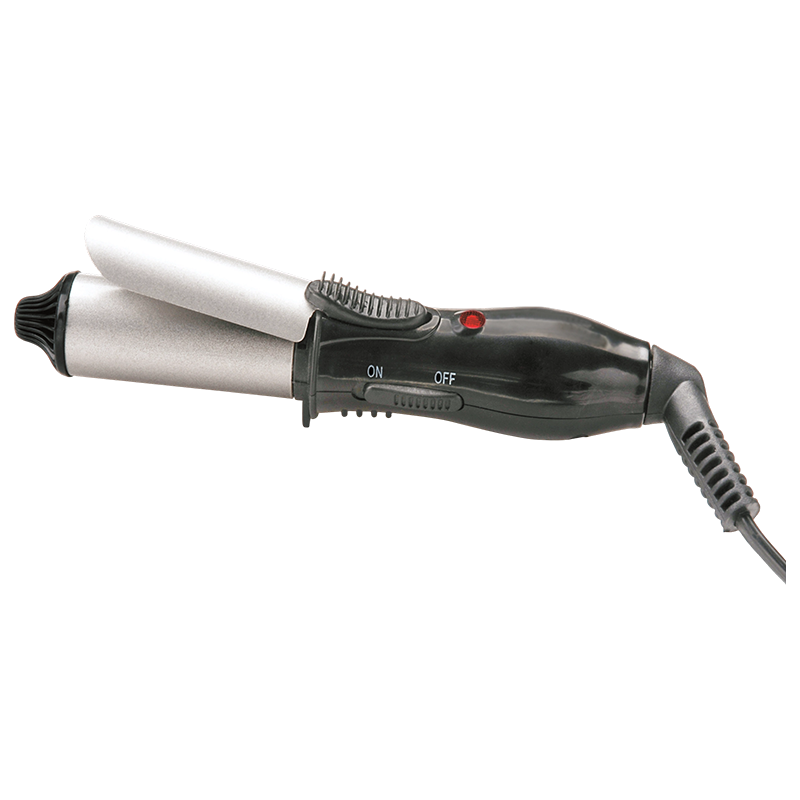
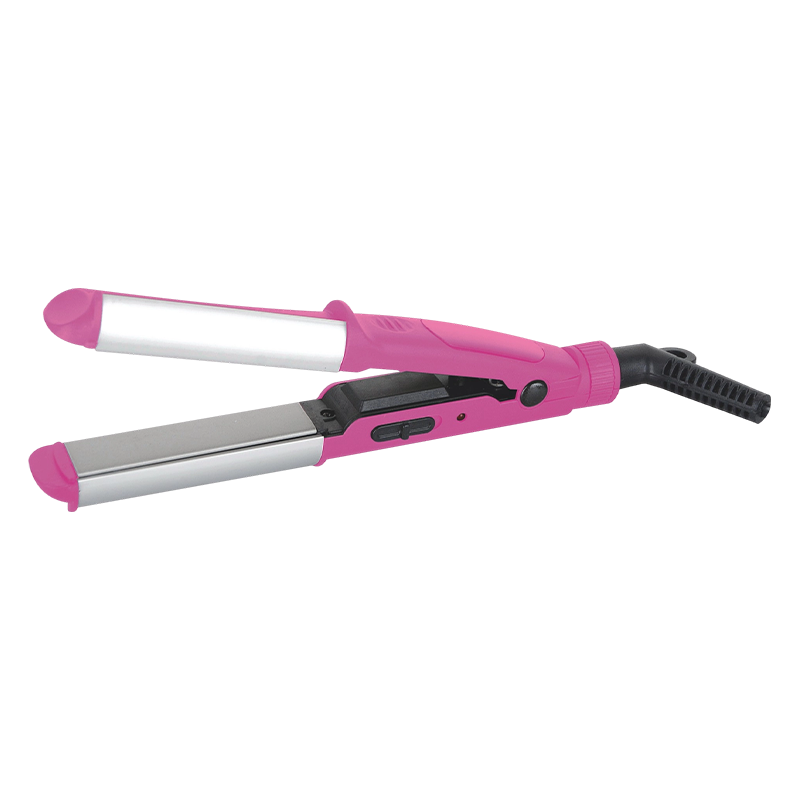
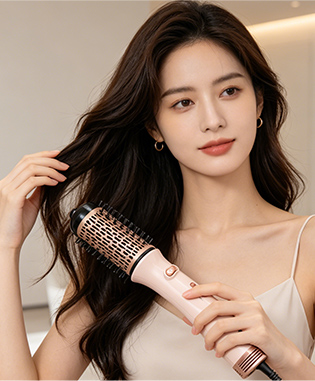
At our factory in Cixi, China, we build a complete range of styling combs and rotary brushes for OEM and ODM customers. For a hot-air styling comb format, the 3-in-1 hot air spin brush styler combines forced hot air with a rotating brush and interchangeable heads. When the brief calls for a simpler rotary profile, the two-way rotary hair comb has a long track record in both home and salon settings. If the concept favors infrared heat over direct convection, the far-infrared thermal hydrating styling comb offers a gentler thermal profile for daily styling.
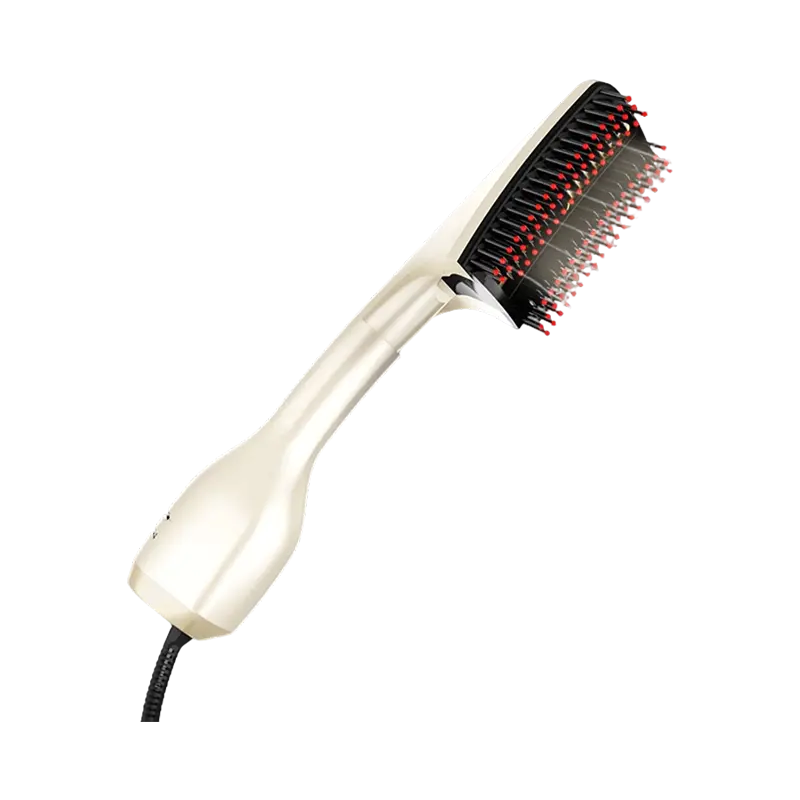 Wholesale MXN-689 Far-infrared thermal hydrating styling comb Suppliers, FactoryArrayView Product →
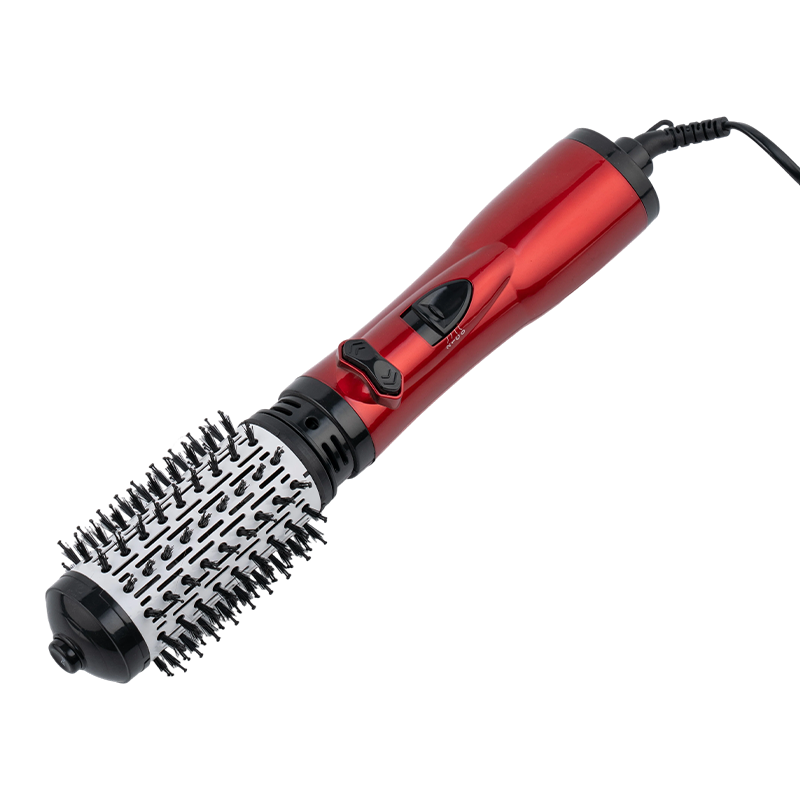 Wholesale MXN-101 Two-way Rotary Hair Comb Suppliers, Factory - Cixi Ya Yi ElectArrayView Product →
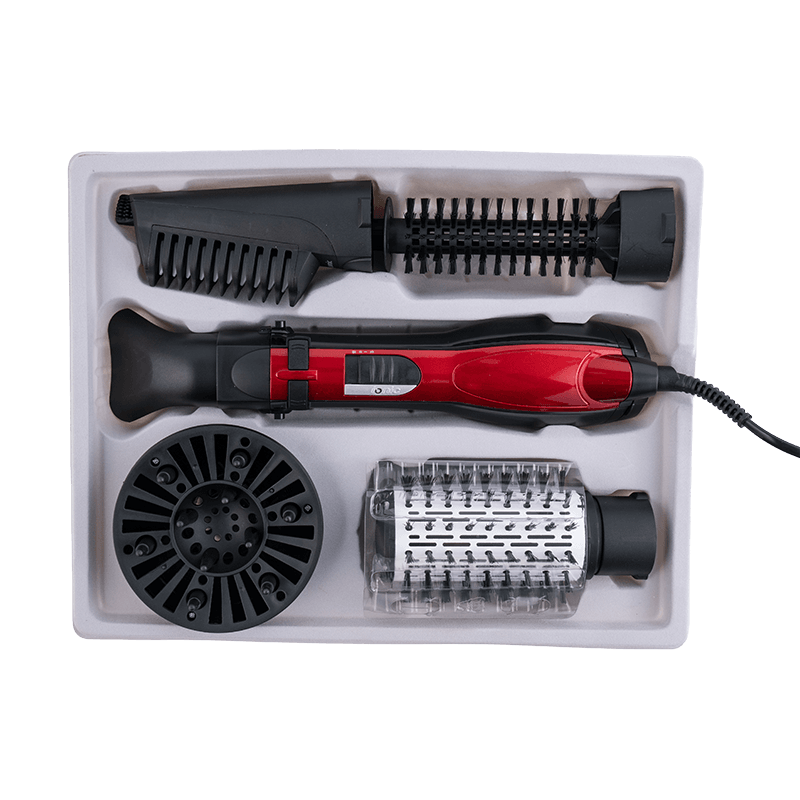 Wholesale MXN-121 3-in-1 Hot Air Spin Brush Styler Suppliers, Factory - Cixi Ya ArrayView Product →
Every platform can be adapted with your brand colors, logo, housing texture, packaging, and accessory kits. If you are still narrowing the product concept, our heated versus no-heat styling comparison can help you decide which technology story makes the strongest argument to your retail buyers.
Build a Styling Comb SKU That Lasts
The hair dryer styling comb earns its place in a beauty lineup because it solves a genuine daily problem: dry time, volume, and smoothness in a single pass. Products that fail in this category fail for the same predictable reasons—unstable heat, noisy motors, or attachment mechanisms that break before the warranty period ends.
A durable SKU starts with the right specification, moves through a factory with real mold development and engineering depth, and is protected by verified safety testing. Ask direct questions, hold the physical sample, and read the test reports. The technology and manufacturing capacity are available; the discipline is in choosing a partner who treats your product program with the same seriousness you do.